
28. September 2026, Andreas Jäggi (PHBern) und Sabine Williner (PHBern)
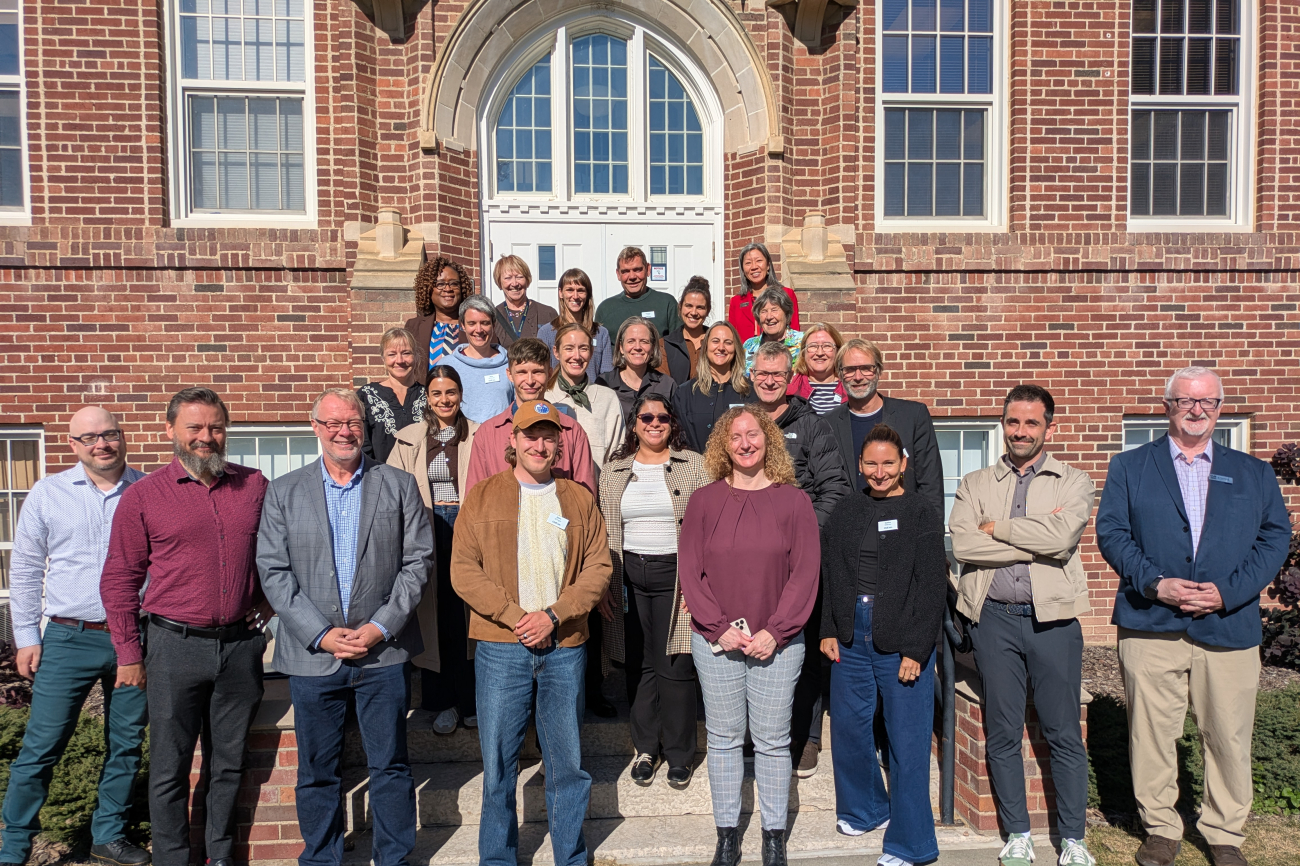
Der erste Programmtag an der Concordia University of Edmonton (CUE) begann nicht mit einer Begrüssungsfolie, sondern mit einem Land Acknowledgement. In Kanada ist es üblich, zu Beginn von Veranstaltungen daran zu erinnern, dass man sich auf dem traditionellen Land indigener Völker befindet.
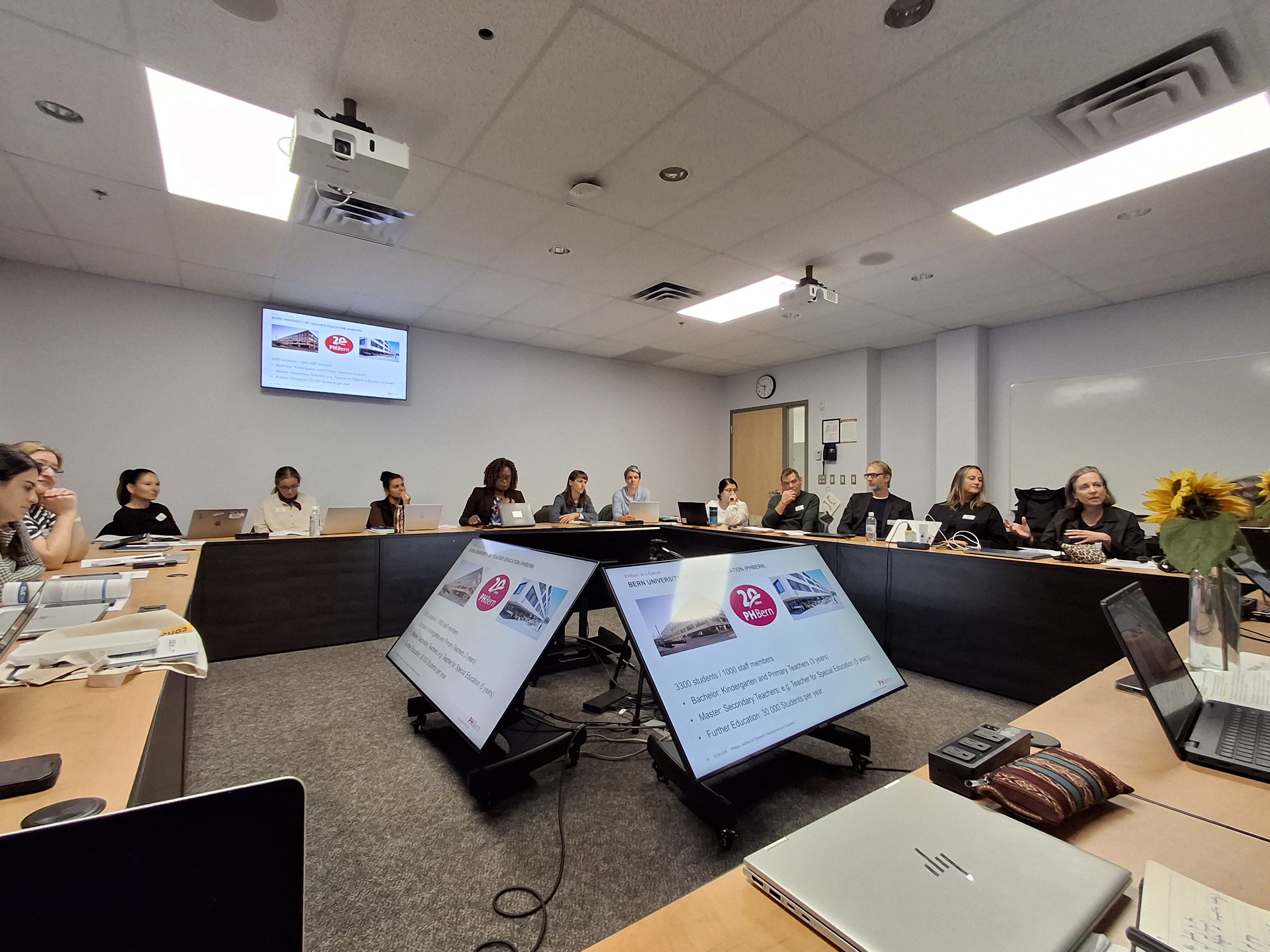
Danach stellte die PHBern sich und das Schweizer Bildungssystem vor. Im Anschluss gaben Mitarbeitende der CUE Einblick in die Strukturen, Angebote und Abläufe ihrer Universität. Ein Begriff fiel dabei immer wieder: Universal Design for Learning (UDL). Die CUE richtet Lehre und Unterstützungsangebote weitgehend an diesem Ansatz aus, damit diese von Beginn an möglichst allen Studierenden zugänglich sind.
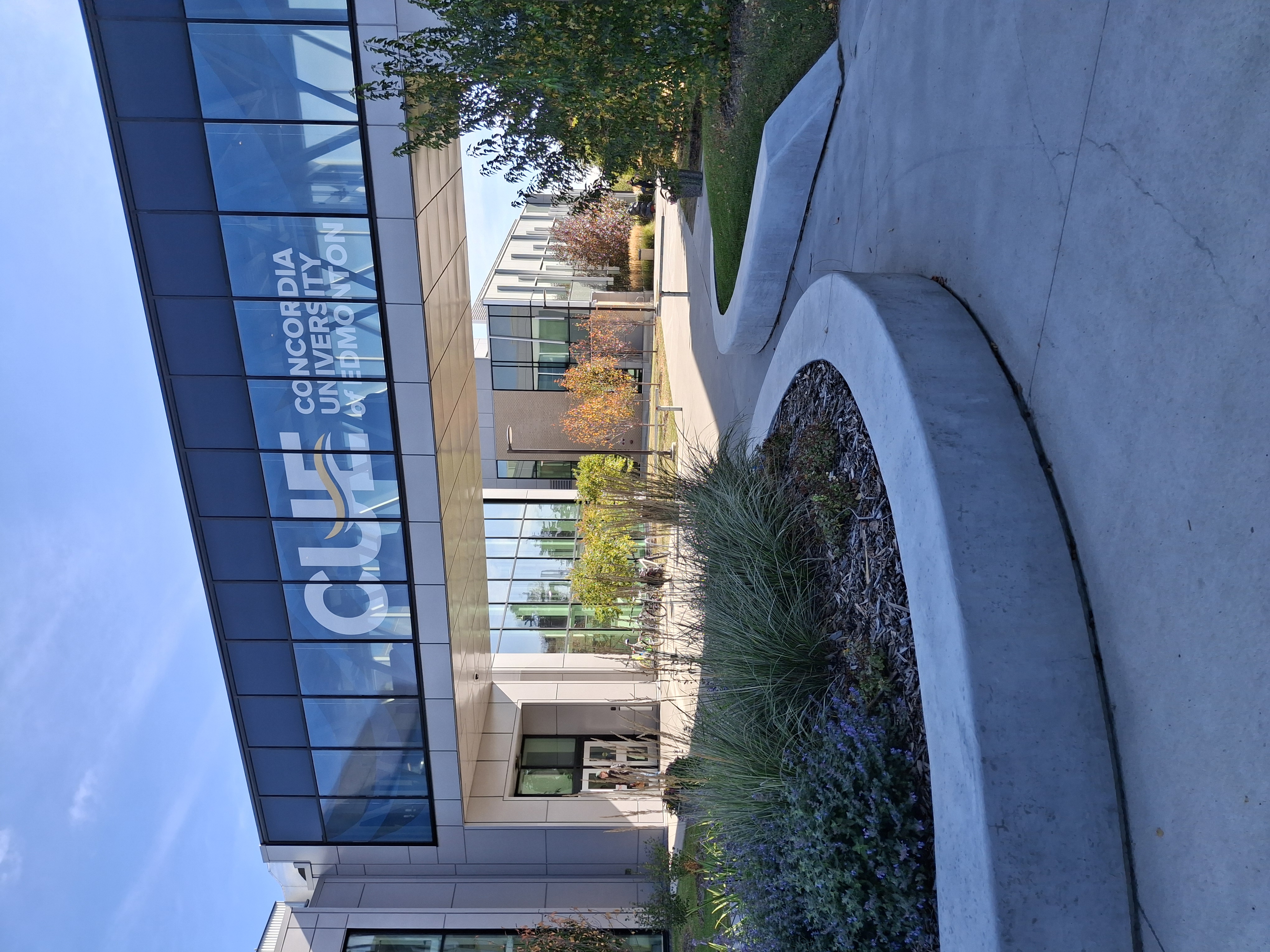
Beim anschliessenden Rundgang über den Campus stand die Infrastruktur im Zentrum. Mitarbeitende aus den Bereichen Facilities und IT zeigten, wie bauliche und digitale Barrierefreiheit an der CUE umgesetzt wird. Dabei wurde sichtbar, dass Barrierefreiheit nicht nur eine Frage einzelner Massnahmen ist. Sie muss bei Planung, Betrieb und Weiterentwicklung eines Campus laufend mitgedacht werden.
Zum Abschluss des offiziellen Programms ging es nach draussen. Beim Healthy Walk durch das Valley des North Saskatchewan Rivers zeigte sich Edmonton von seiner schönsten Seite mit goldgelbem Laub und klarer Herbstluft.

In der Reflexionsrunde am Abend brachte Edith Niederbacher, Dozentin am Institut Primarstufe, auf den Punkt, was die Gruppe den ganzen Tag über begleitet hatte: «Man spürt das grosse Engagement der Hochschulleitung für die bedürfnisorientierte Unterstützung der Studierenden.» Nun wächst die Neugier, wie das im Alltag konkret aussieht. Die kommenden Tage bieten dazu Gelegenheit, etwa bei den Besuchen an der MacEwan University und am Northern Alberta Institute of Technology (NAIT). Über allem steht eine Frage, die die ganze Woche begleiten dürfte: Was davon lässt sich auf die PHBern übertragen?
Dieser Beitrag gibt die persönlichen Eindrücke der Verfassenden wieder.
English
Kicking Off at Concordia University of Edmonton
The first day of the program at Concordia University of Edmonton (CUE) did not begin with a welcome slide, but with a Land Acknowledgement. In Canada, it is common for events to begin by recognizing that they are taking place on the traditional lands of Indigenous peoples.
The PHBern then introduced itself and provided an overview of the Swiss education system. This was followed by presentations from CUE staff, who provided insights into the university’s structures, services, and processes. One term came up again and again: Universal Design for Learning (UDL). CUE largely bases its teaching and support services on this approach, with the goal of making them as accessible as possible to all students from the outset.
During the subsequent campus tour, the focus shifted to infrastructure. Staff from Facilities and IT demonstrated how physical and digital accessibility are implemented at CUE. It became clear that accessibility is not simply a matter of individual measures. It needs to be considered continuously in the planning, operation, and ongoing development of a campus.
The official program concluded outdoors. During a healthy walk through the North Saskatchewan River Valley, Edmonton showed itself at its most beautiful, with golden autumn foliage and crisp, clear air.
During the reflection session that evening, Edith Niederbacher, a lecturer at the Institute for Early Childhood and Elementary Education, summed up what had accompanied the group throughout the day: “You can really feel the university leadership’s strong commitment to providing student support based on individual needs.” Now, curiosity is growing about what this looks like in practice. The coming days will offer opportunities to explore this further, including visits to MacEwan University and the Northern Alberta Institute of Technology (NAIT). One question, above all, is likely to stay with the group throughout the week: What could be transferred to PHBern?
This article reflects the personal impressions of its authors.