
2 October 2026, Andreas Jäggi (PHBern), Sabine Williner (PHBern), Edith Niederbacher (PHBern)
The final day of the study tour began with two parallel sessions exploring inclusion at different levels of education. A larger group from the PHBern delegation visited a school and gained insights into how inclusion is embedded in everyday school life. A smaller group met with professors from Psychology and Cybersecurity at Concordia University of Edmonton. Their discussions focused on how teaching can be designed to enable all students to participate and learn successfully.
Insights into Joan Carr Catholic School
Joan Carr Catholic School is attended by 970 students from Kindergarten to Grade 9. The school is publicly funded and welcomes children of all faiths. Following a warm welcome, we were introduced to the school’s educational approach. A tour then allowed us to see how this approach is put into practice in everyday school life.
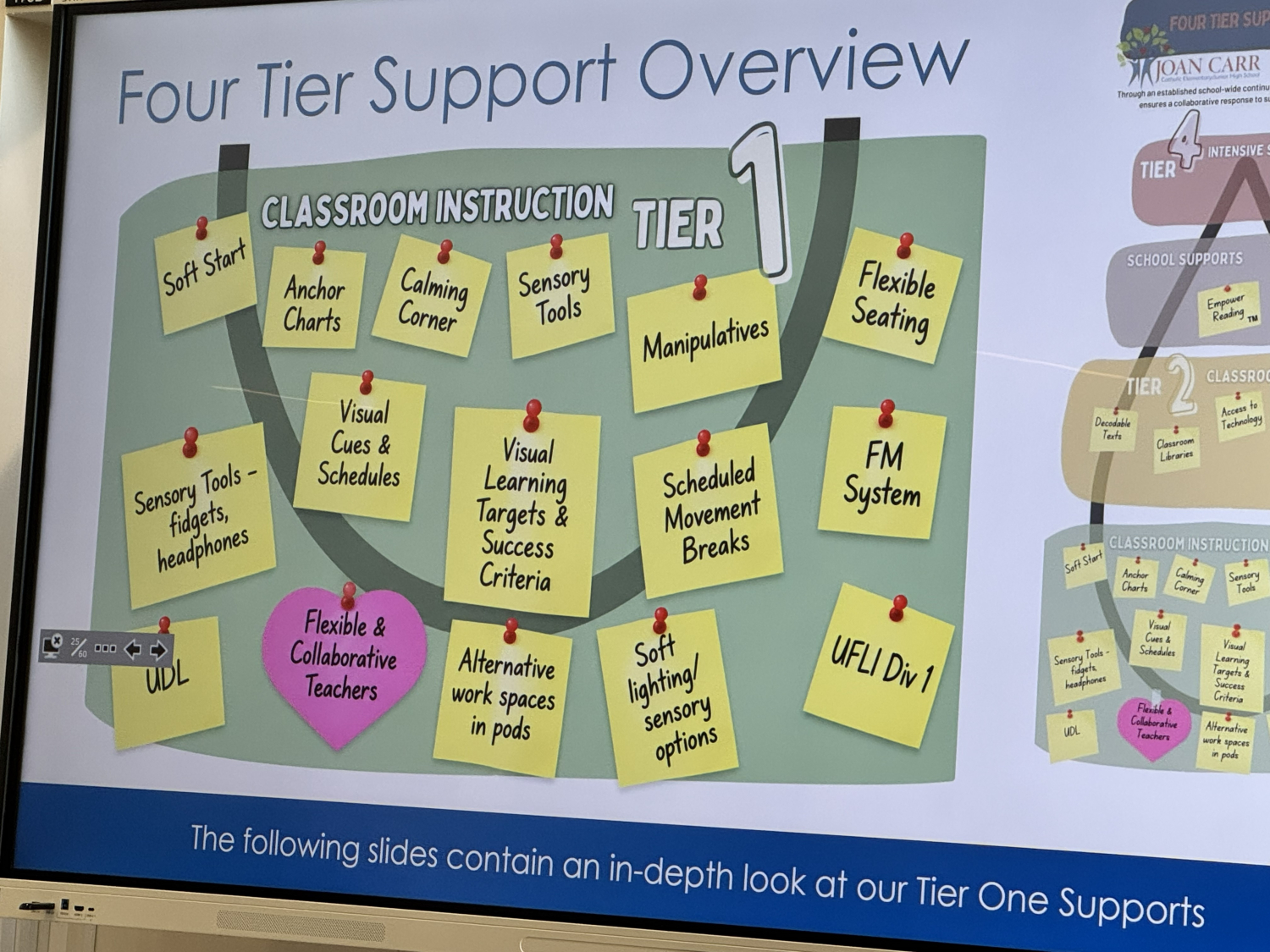
Some features were familiar from schools in Switzerland, including the use of pictograms, clearly displayed learning objectives and outcomes, and spaces for movement or quiet retreat. What was particularly striking, however, was how these individual elements form part of a coherent approach shared across the school community.
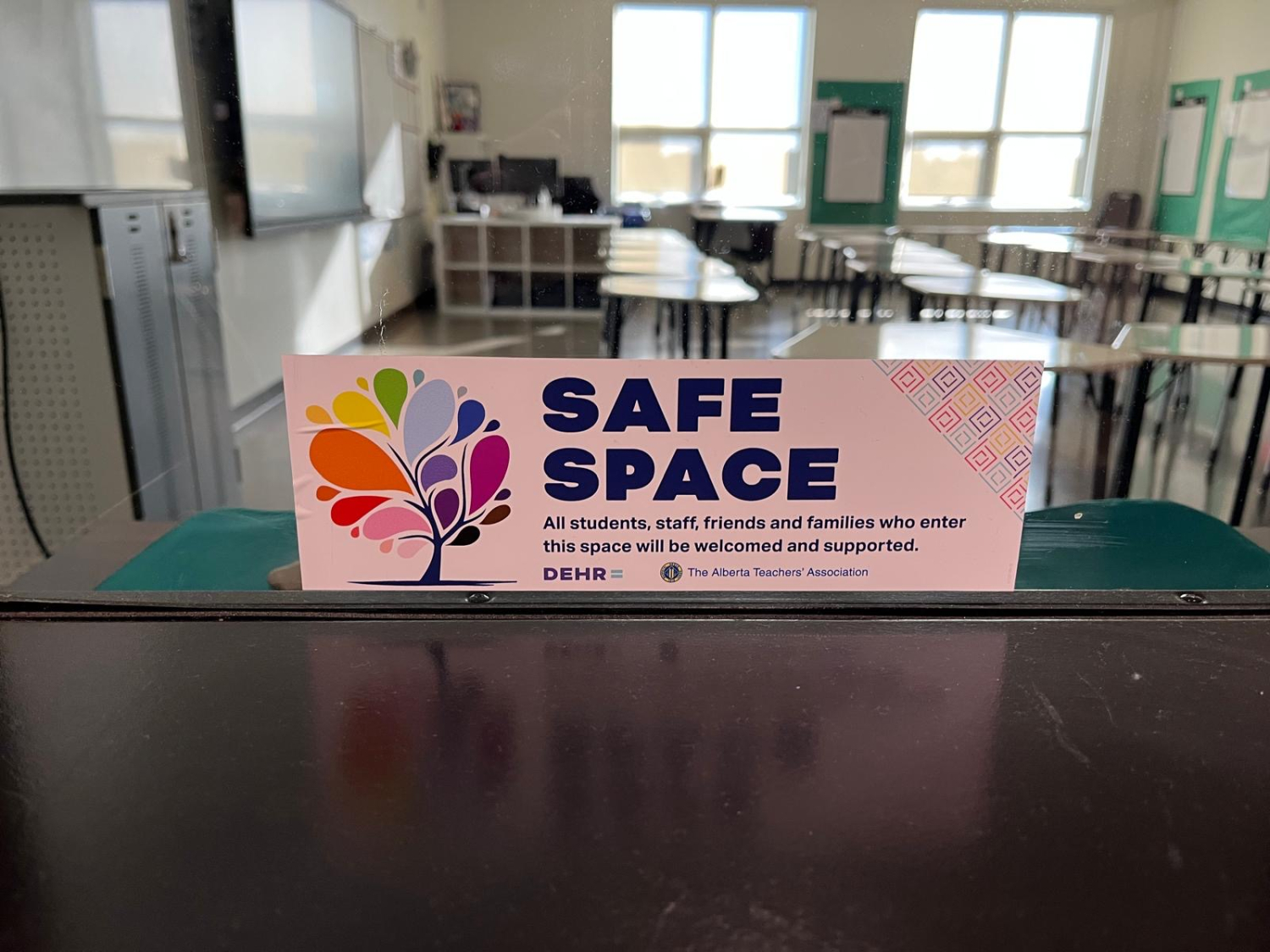
The school has a clear vision for learning and inclusion. Based on this vision, staff have worked collaboratively to develop specific practices, including the implementation of Universal Design for Learning (UDL), a “soft start” at the beginning of the day, and visual supports that help students find their way and understand routines. New teachers are introduced to the approach through dedicated courses and supporting materials, helping to sustain a shared understanding of inclusive teaching even when staff change.
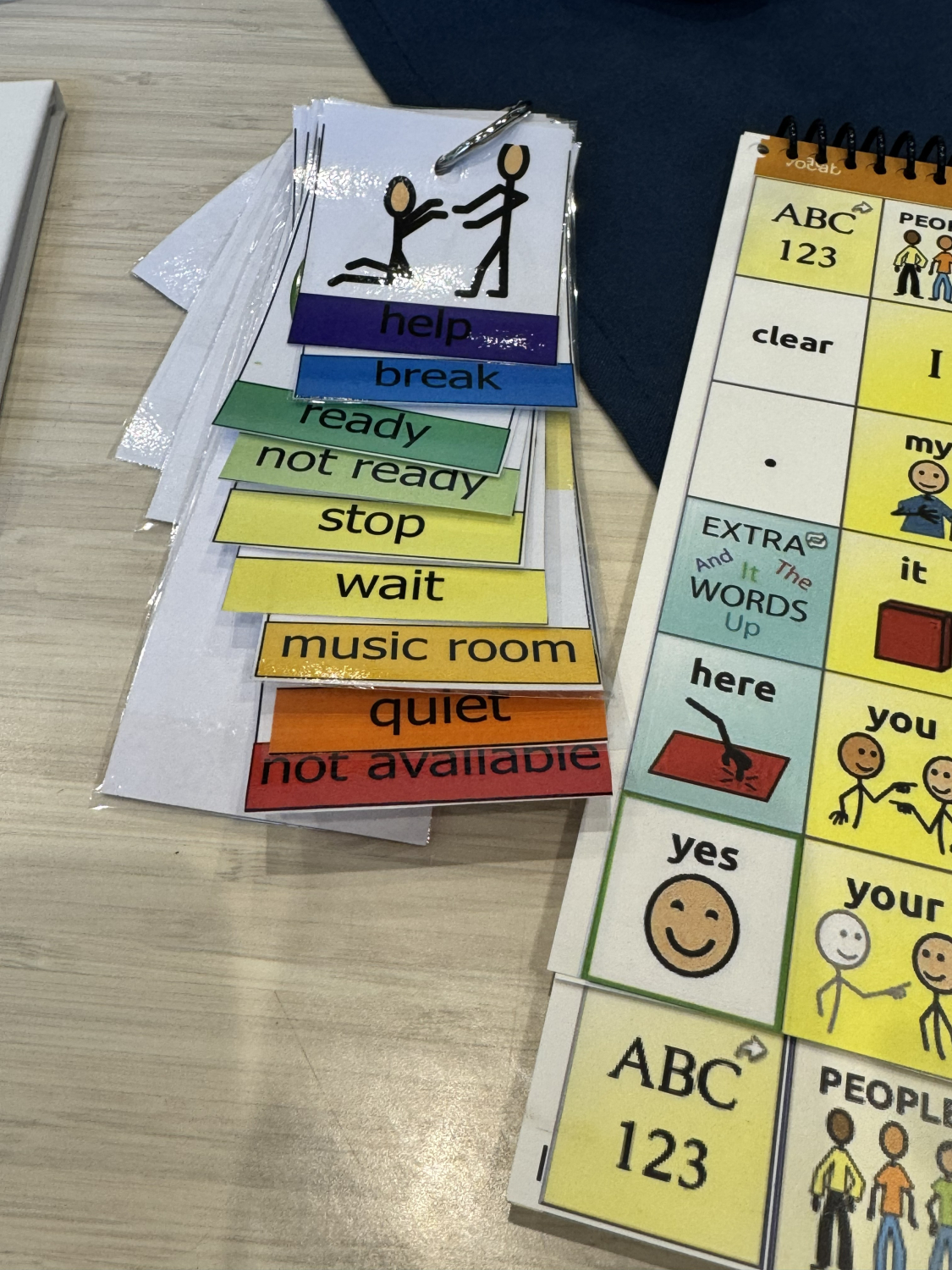
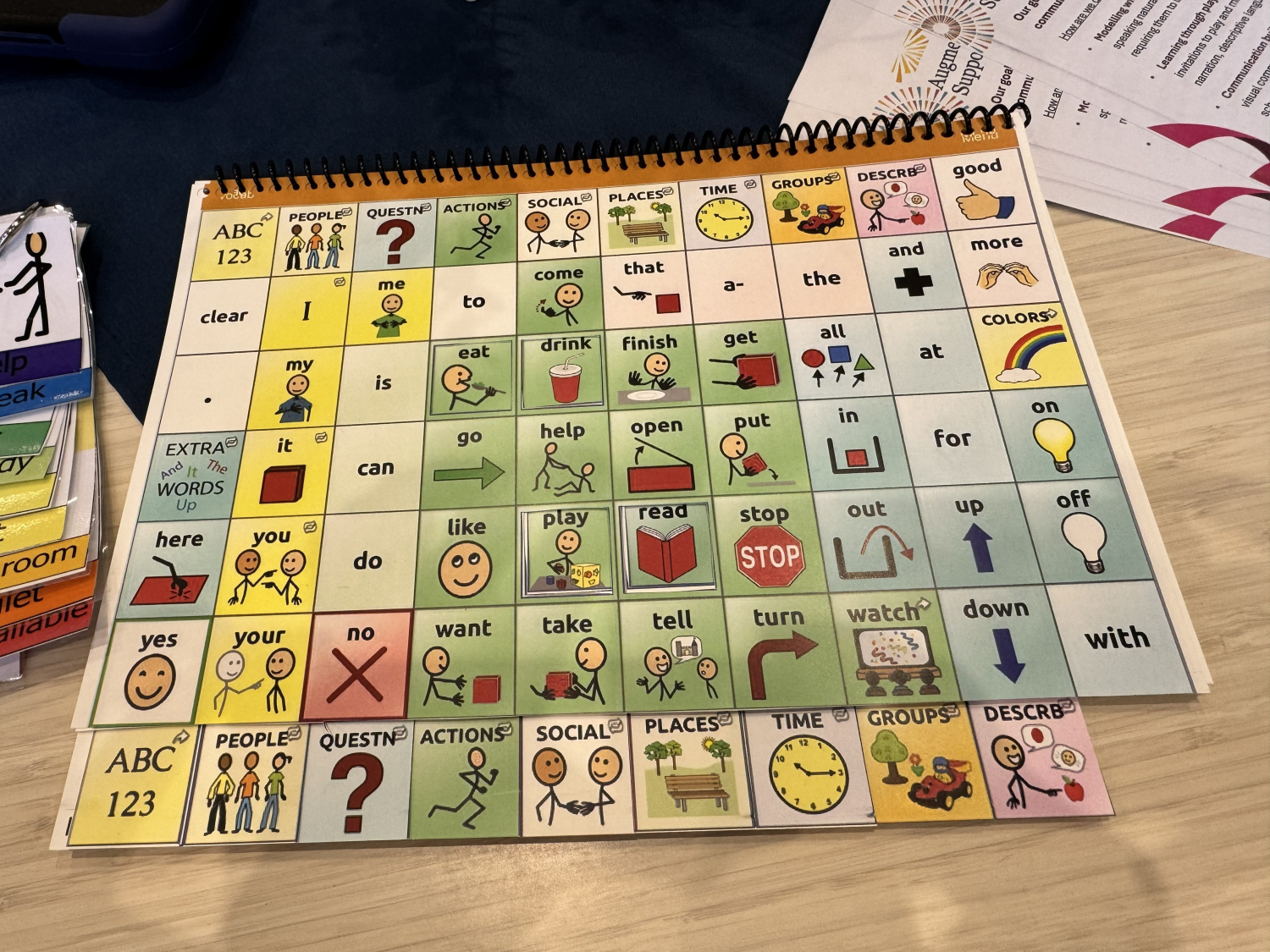
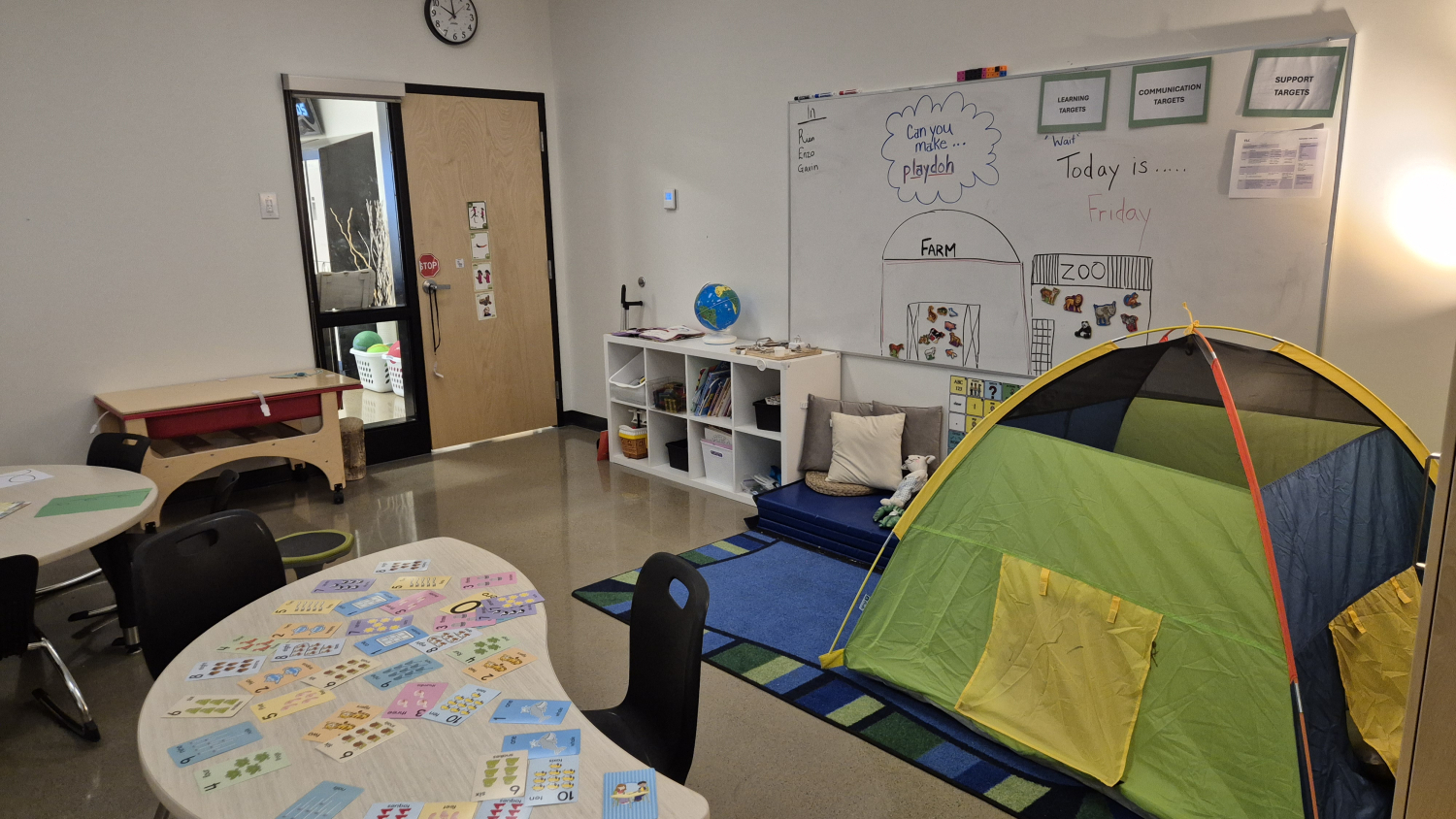
The tour also highlighted the importance of augmentative and alternative communication. Many children use speech-generating devices to communicate. As the principal explained: “Everyone can communicate; sometimes we just have to find out how.” The TLC room (Targeted Learning Classroom) also provides a calm space for students, together with opportunities for targeted support and interactive learning. The design and use of the school’s spaces are therefore an integral part of its educational approach.
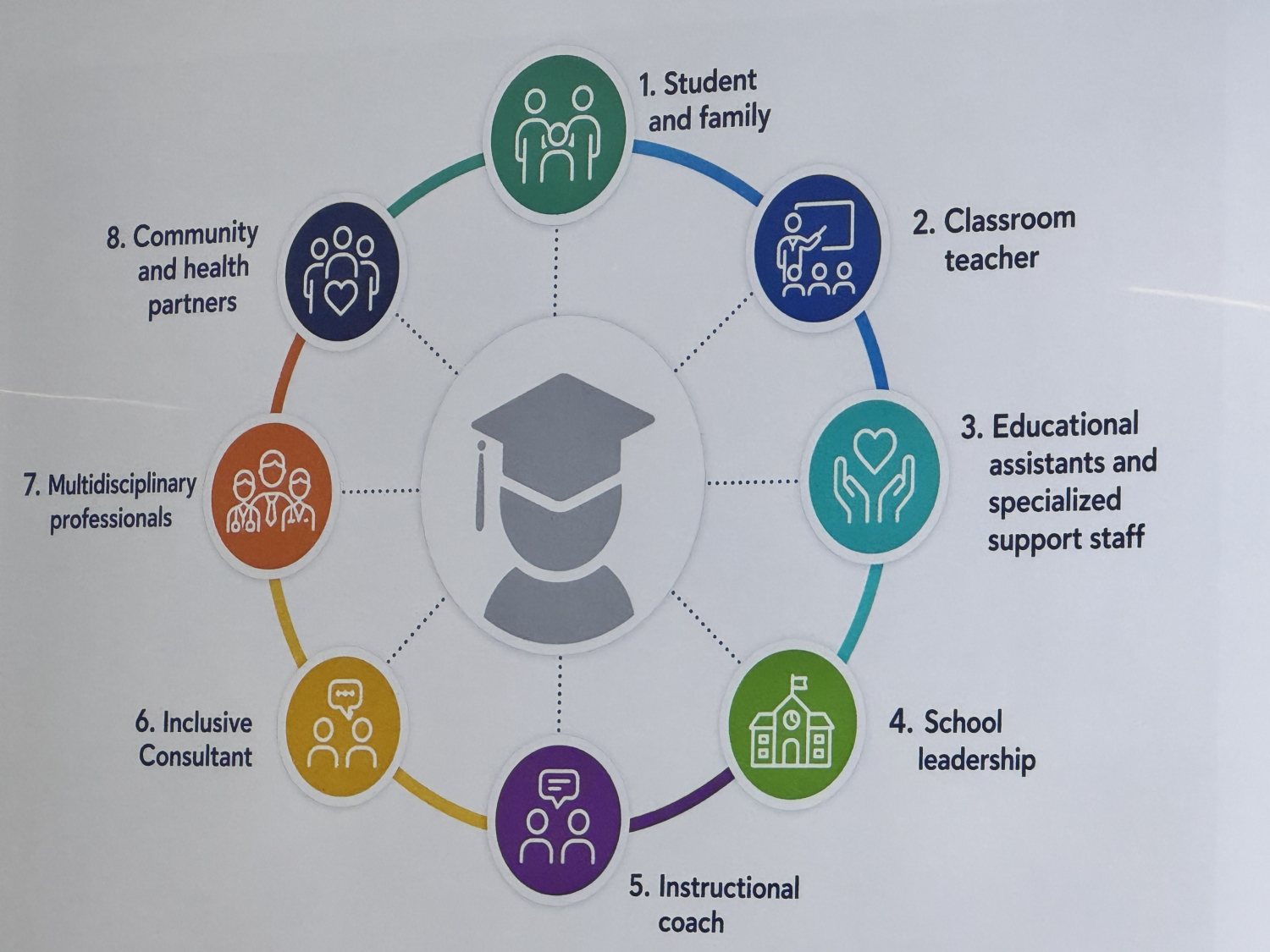
Collaboration among different professional groups plays a central role. Teachers, specialists in learning and behaviour, social workers, Therapeutic Assistants and Educational Assistants work together to teach and support the children. The extensive staffing support and the commitment of those involved were evident throughout our visit. One statement shared with us captures this sense of collective responsibility: “We cannot do complexity alone.”
Dedicated time is set aside for this collaboration. Students do not attend school on Thursday afternoons, while all teachers remain at the school. This time forms part of their regular working hours and is reserved for collaboration, meetings and professional learning. Cooperation is thus given a formal and consistent place within everyday school life.
This visit offered an important insight for PHBern: inclusive school development requires a jointly developed educational approach, shared responsibility and dedicated time for collaboration. Alongside high-quality teaching, multi-professional collaboration is essential to enabling every child to participate and learn successfully.
Inclusive Teaching: Insights from Psychology and Cybersecurity
Four members of our delegation explored several key themes of the study tour in greater depth at Concordia University of Edmonton: diverse learning needs, the participation of students with disabilities, and the inclusive design of teaching and assessment.
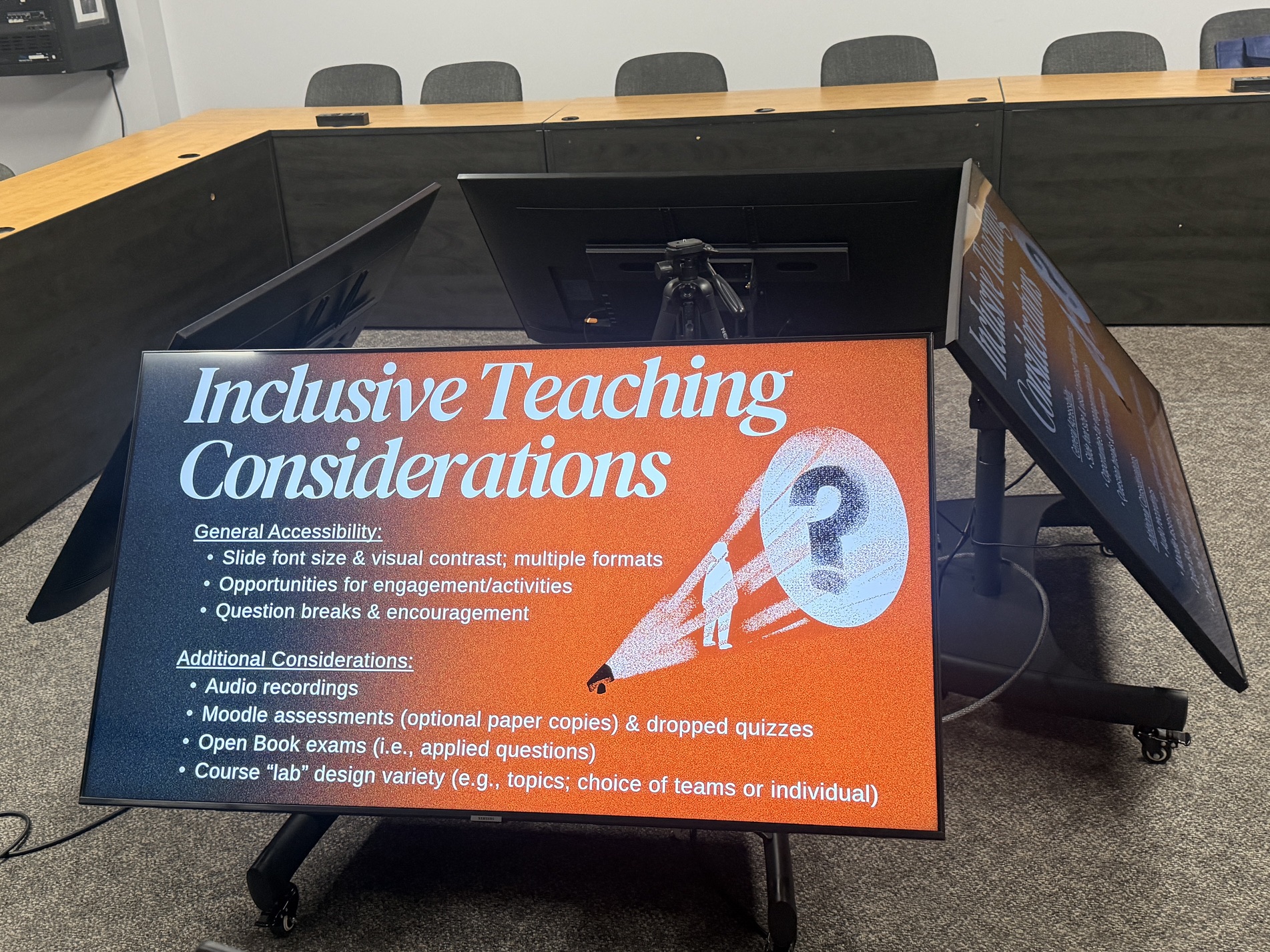
Dr. Jenna Congdon, Assistant Professor of Psychology in the Faculty of Arts, explained how she consistently applies insights into learning and mental health to her own teaching. She views inclusive teaching as an ongoing process of development, guided by the belief that students themselves know best what they need in order to learn effectively. Flexible participation options, audio recordings and different ways of asking questions help give students greater autonomy. When needed, students can also take a Mental Health Day, reflecting the fact that rest is not always needed on a day that happens to be a public holiday.
Congdon designs assessment to test understanding rather than the simple recall of information. Her open-book exams focus primarily on applied questions. Access to course materials provides students with a sense of security, while the questions still require a thorough understanding of the subject matter. Multiple assessments, regular feedback and a variety of formats distribute the pressure across the semester and give students different ways to demonstrate their learning.
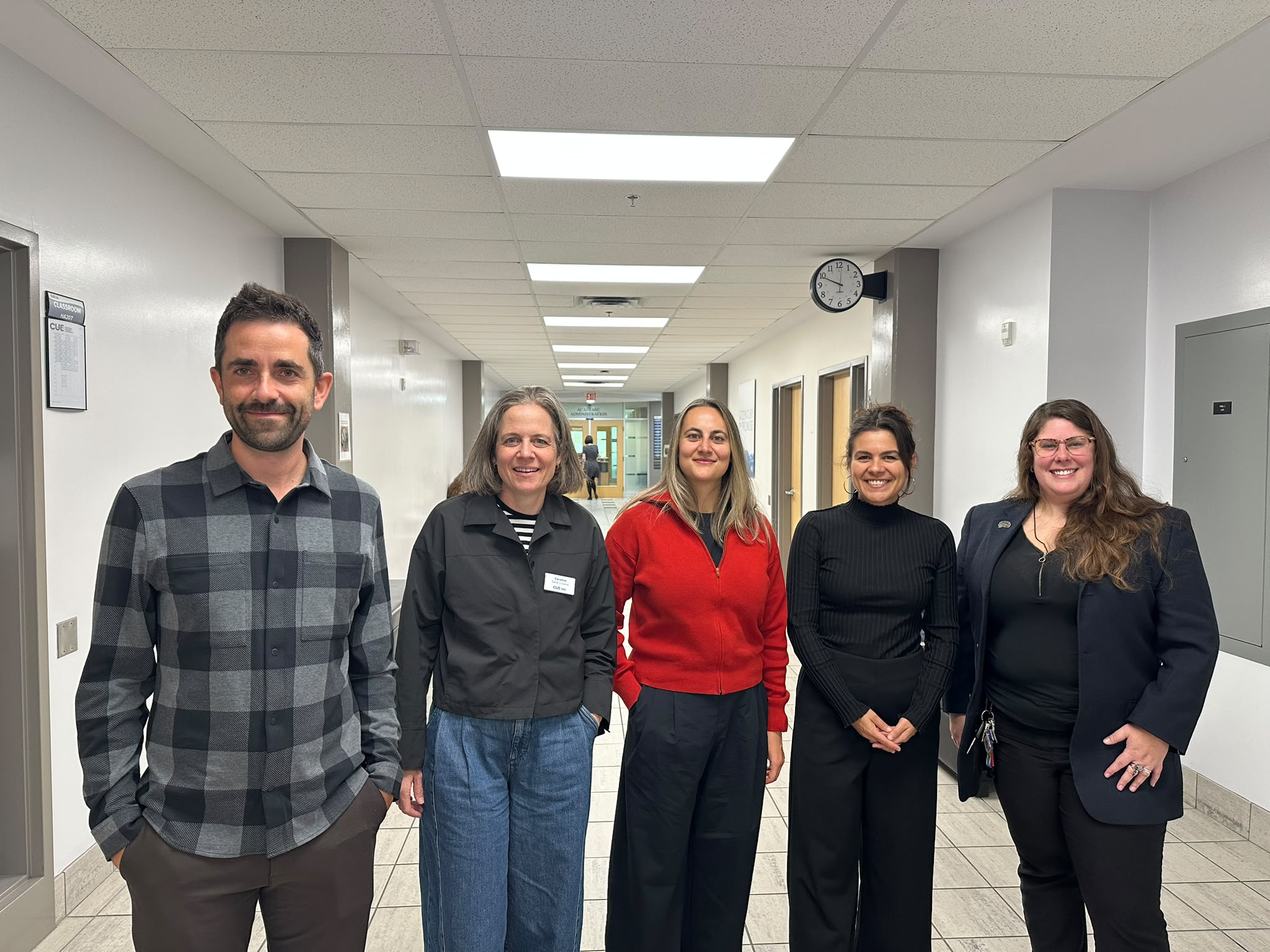
For Congdon, however, teaching is about more than providing information, which is readily available from many sources today. Interaction, relationships and mutual care are what matter most. Faculty members therefore reflect on their teaching together and continually refine their practice. In this way, inclusive teaching becomes part of a shared culture shaped by trust, flexibility and a willingness to keep learning.
Dr. Cherry Mangla, Assistant Professor in the Faculty of Management, teaches and conducts research in cybersecurity. She views inclusive teaching as a transparent and carefully structured learning process. Because her students bring very different levels of prior knowledge, she first establishes a shared starting point by connecting new content to experiences from everyday life, work and previous studies. Technical concepts are introduced only once the students have understood the underlying problem. A single, ongoing example provides continuity throughout the semester.
Following the principle of “one topic, multiple entry points,” students engage with the course content by observing, thinking, discussing, applying and reflecting. Materials provided in advance, a clearly structured learning process and regular check-ins offer guidance and help identify where further support may be needed.
Transparency is equally important in assessment. For Mangla, fairness comes from clear expectations and close alignment between learning objectives, teaching and assessment. Hidden requirements have no place in this approach. Different formats, including academic papers, blog posts and posters, allow students to demonstrate their learning in a variety of ways.
Mangla spoke openly about the fact that not everything had worked well when she first began teaching. Conversations and surveys helped her gain a better understanding of her students’ needs and continually refine her practice. If students lose their way early in a course, this may also affect their motivation and performance later on.
Two students with intellectual disabilities who are supported through the partnership with Inclusion Alberta also participate in regular cybersecurity classes. They explore the same topics alongside their peers while pursuing individualized learning goals. When we asked whether people with intellectual disabilities could benefit from the Faculty’s programs, Mangla initially seemed surprised by the question itself. For her, their participation was simply a matter of course. She sees the different experiences and perspectives that all students bring as an enrichment from which everyone benefits.
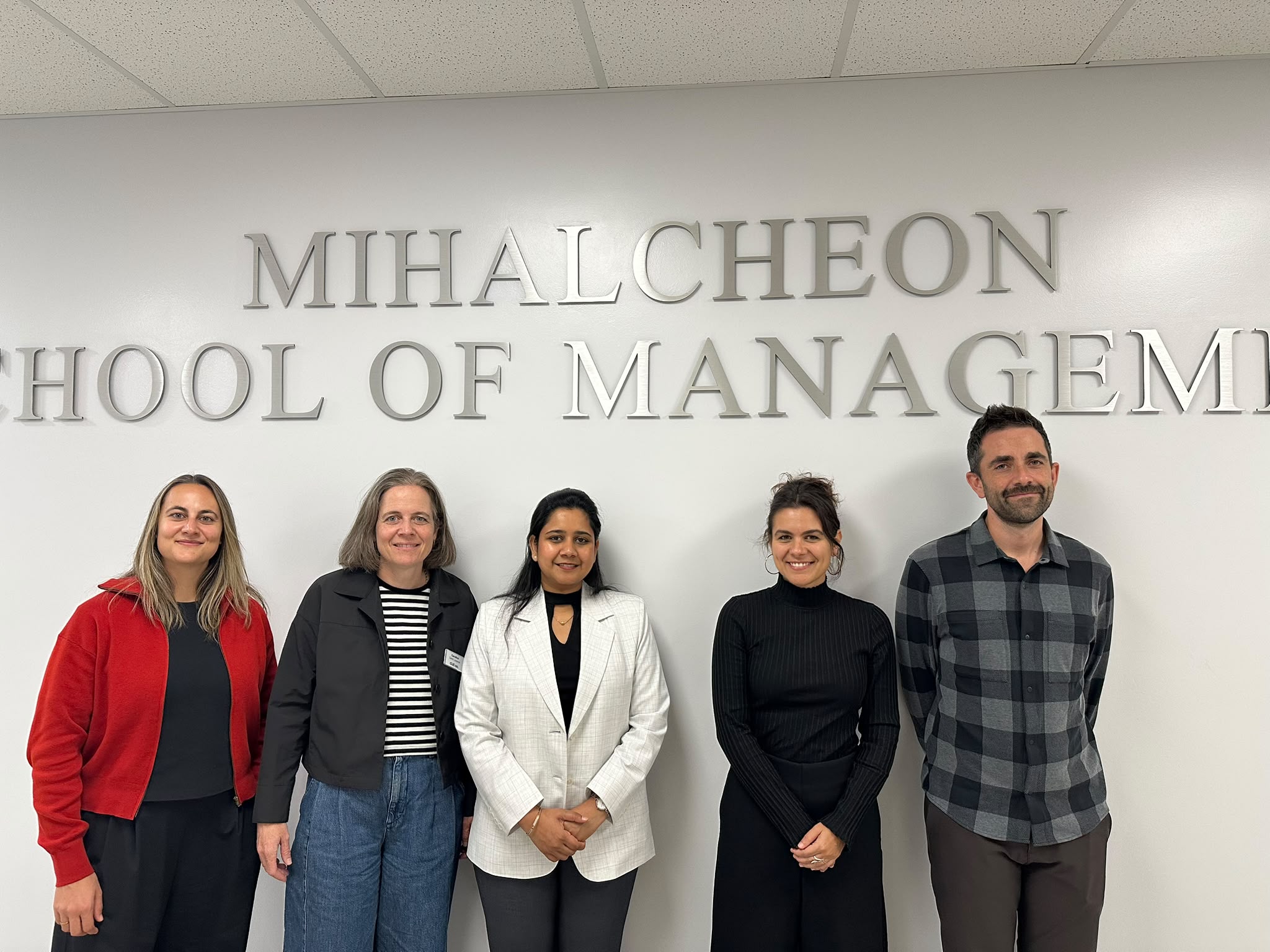
As the formal program drew to a close, both for the day and for the study tour as a whole, one impression stood out above all: regardless of whom we spoke with at Concordia University of Edmonton during the week, we encountered a shared commitment. Student success and well-being are at the centre, together with a strong motivation to continually improve teaching and an approach in which diversity and inclusion are treated as integral to professional practice. This commitment is reflected not only in the work of individuals, but also in the university’s overarching Mission and Vision.
Students’ experiences are taken seriously and used to drive improvement. At the same time, faculty members receive support from their Faculties, through peer exchange and mentoring, and from specialized services. This interplay between personal commitment and institutional responsibility is one of the key insights we are taking away from the study tour.
We will return to PHBern with many impressions, new perspectives and further questions. Above all, the visit demonstrated that inclusive higher education can develop where culture, structures and concrete practices work together and are collectively supported by students, staff and university leadership.
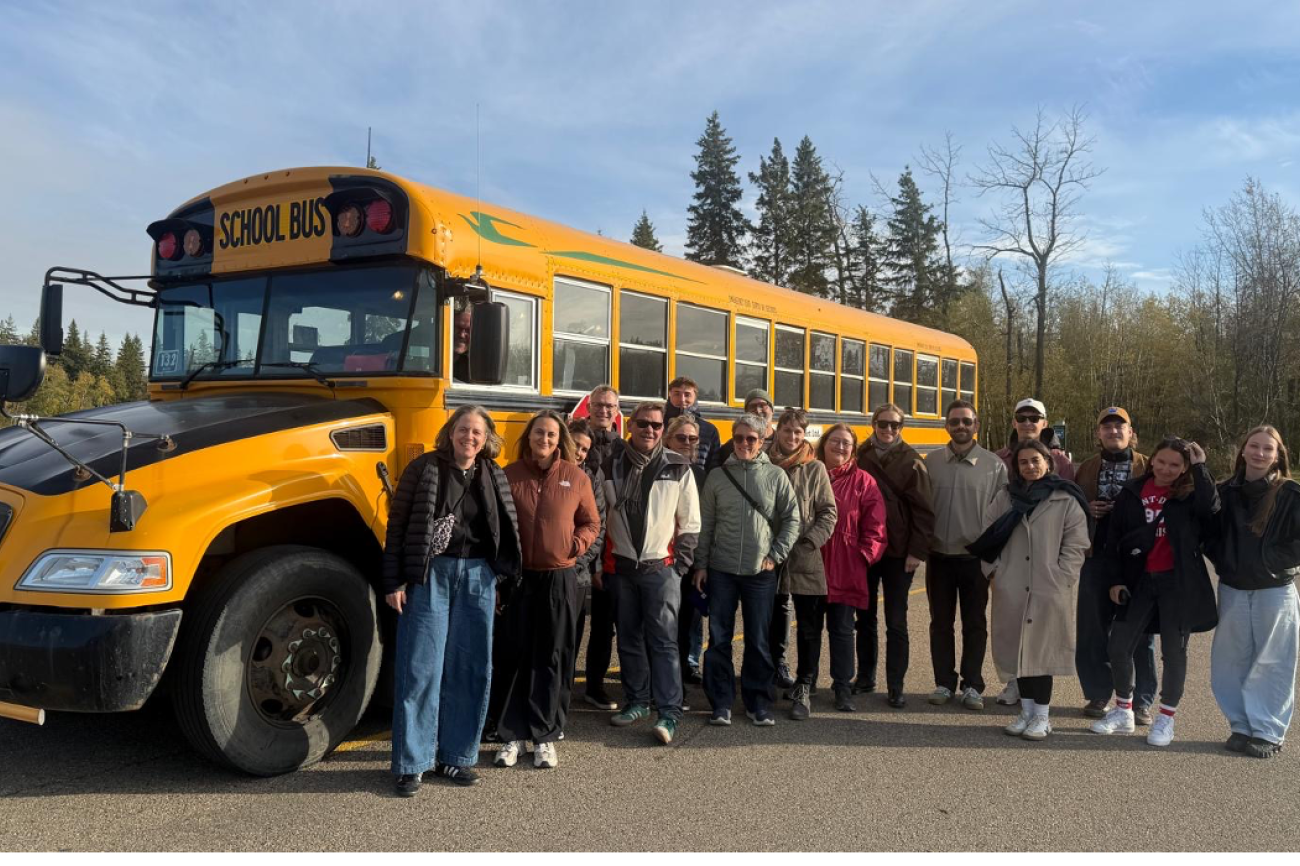
Following the formal conclusion of the study tour, the group headed into nature together. For some, a small dream straight out of a high-school movie came true as we travelled to Elk Island National Park in a classic school bus. Although we did not spot any moose, we were able to observe bison and bring an intensive week to a close together.
It was the perfect ending to a memorable week. Our sincere thanks go to all participants, to Caroline Sahli Lozano and Katja Saxer for organizing the study tour, and to Xinxin Fang, Barbara van Ingen, Tim Loreman, Tim Cusack and Bruce Uditsky for their outstanding commitment to inclusive higher education, for their time and for the many inspiring insights they shared with us.
We look forward to continuing the exchange on 12 March 2027 at the conference Towards Inclusive Higher Education: Perspectives from Switzerland and Canada. We are particularly pleased that Barbara van Ingen, Tim Loreman and Bruce Uditsky will be among the guests joining us at PHBern.
Save the date now. Further information about the program and registration is available on the event page.

This article reflects the personal impressions of its authors.